

If you struggle with running, you are not alone. Going from barely being able to run a single mile to completing marathons, half marathons, and ultramarathons comes down to addressing fundamental training errors.
Correcting these five common mistakes will lower injury risk, improve performance, and make running far more manageable.
Want to take your training up a notch?
Use promo code SAVE10 to get 10% off any program right now. https://citizenathletics.com
Learn more about our training at the bottom.
1. You Run Too Hard
Not every training session is a race, and running harder is not always better. To build a durable running base, you need to slow down.
- The Principle: There is a common guideline in endurance training: “train slow to run fast.”
- The Pace: Your training sessions should primarily be at a pace where you can comfortably hold a conversation.
- Heart Rate Zone: In heart rate training charts, this corresponds to Zone 2.
Spending the majority of your training volume in Zone 2 makes runs feel easier, improves training adaptation, and yields a higher long-term payoff.
2. You Don’t Run Consistently
Skipping runs ruins adaptation. Progress requires establishing and maintaining a regular routine.
- Run at least 1 to 3 times per week to build baseline consistency.
- As frequency increases, the training effect compounds. The more consistent you are, the better your gains.

3. You Don’t Prepare for Your Run
Showing up unprepared leads to fatigue, discomfort, and cut-short workouts. Dialing in basic preparation will make your sessions significantly more productive and enjoyable:
- Hydrate: Ensure fluid levels are topped off before heading out.
- Eat a snack: Provide your body with usable fuel.
- Relieve yourself: Use the restroom beforehand to avoid interruptions.
- Wear compression gear: Prevent painful chafing during the run.
- Invest in good shoes: Proper footwear makes a substantial difference in overall comfort and mechanics.

4. Your Technique Sucks
Technical breakdowns increase stress on the body and impair running economy. The two most frequent technical faults are:
- Overstriding: Reaching too far forward with each step.
- Slow Cadence: Not taking enough steps per minute.
A low cadence is directly associated with higher injury rates and increased running difficulty. To fix this, focus on shortening your stride and increasing foot turnover to drive cadence up.
Real-Time Technical Feedback: The Curved Treadmill
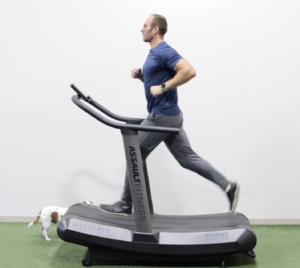
Cleaning up running mechanics reduces injury risk, optimizes performance, and makes running feel easier. Using a curved manual treadmill, such as the Assault Fitness AirRunner, provides immediate biomechanical feedback:
- Stride length corrections: Overstriding causes your foot to hit high on the curve, altering the belt’s speed immediately and forcing you into a shorter, proper stride.
- Cadence monitoring: If your step rate fluctuates or drops too low, you will feel the belt struggle to maintain a smooth, steady pace.
5. You Need to Get Stronger
Running volume alone does not build the structural resilience needed to run pain-free. You must build strength.
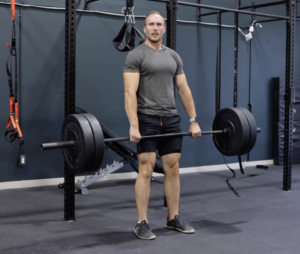
A comprehensive running strength routine should regularly incorporate:
- Squat variation
- Hinge variation
- Calf raise variation
- Key accessory movements: Nordics (for posterior chain strength) and planks (for core stability)
Integrating these resistance movements provides the foundational strength required to withstand the demands of mileage.
Summary Checklist
Executing these five foundational adjustments together will make running more comfortable, reduce your risk of injury, and systematically elevate your performance:
- Slow down and spend the bulk of your time in Zone 2.
- Stay consistent, running at least 1 to 3 times per week.
- Prepare ahead of time with hydration, fuel, gear, and footwear.
- Clean up your mechanics by shortening your stride and increasing cadence.
- Get stronger using squats, hinges, calf raises, Nordics, and planks.
Train With Citizen Athletics
Building sustainable running capacity requires more than just racking up mileage—it takes a structured approach that integrates strength, mechanics, and progressive conditioning. Explore our evidence-based training programs at Citizen Athletics to bulletproof your body and reach your performance goals.
- Built for Athletics: Our premium training system engineered to optimize raw strength, power, and high-level movement efficiency.
- Sustainable Strength: The ultimate flagship framework designed for busy individuals looking to lift heavy, build muscle, and remain highly athletic for life.
Watch the Scientific Breakdown

To see these biomechanical tips, treadmill feedback drills, and exercises demonstrated in detail, watch the full breakdown here.