

In the world of strength training, few pieces of equipment spark as much debate as the lifting belt.
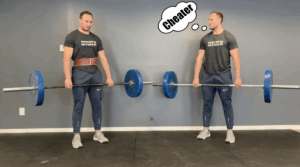
Walk into any gym and you’ll see the extremes: the lifter who straps on a lever belt just to do bicep curls, and the “purist” who claims using a belt is “cheating” or a surefire way to weaken your core.
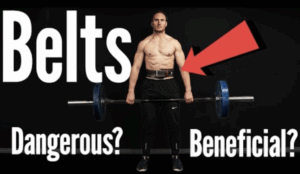
So, what does the actual evidence say? Are belts dangerous, or are they the secret to your next PR? At Citizen Athletics, we’ve broken down the science of performance, rehab, and injury prevention to give you the definitive answer.
Want to take your training up a notch?
Use promo code SAVE10 to get 10% any program right now. https://citizenathletics.com
Learn more about our training at the bottom.
Why Use a Lifting Belt? The Performance Benefits
If you aren’t using a belt during your heaviest sets, you might be leaving gains on the table. The total body of evidence shows that lifting with a belt does not increase your likelihood of injury. In fact, it offers several massive performance advantages:
1. Instant Strength Boost
Most lifters see an immediate 5% to 10% increase in strength when using a belt. While results vary, almost every study on belted lifting shows a consistent performance boost.
2. Increased Bar Speed
Research shows that belts help transfer power more efficiently, allowing you to move the bar faster. Since bar speed is highly correlated with your one-rep max (1RM), moving weight faster translates directly to getting stronger.
3. More Reps, Less Fatigue
Because the belt makes you relatively stronger, you can typically perform more repetitions with a given weight before fatigue sets in. This means you can accumulate more high-quality volume in every session.
4. Greater Muscle Hypertrophy
More weight + more reps + less relative fatigue = a greater stimulus for muscle growth. If your goal is building size, the belt is a tool that allows you to push your limits further.
When You Should (and Shouldn’t) Wear a Belt
While the benefits are clear, a belt isn’t a “magic strap” for every exercise.

Who should avoid a belt?
- Medical Concerns: If you have high blood pressure or cardiac issues, consult a cardiologist first.
- Abdominal Issues: Those with hernias or specific abdominal injuries should be cautious, as belts significantly increase intra-abdominal pressure.
- The Fear Factor: If you believe a belt is “dangerous,” that psychological hesitation can affect your form. It’s okay to build confidence without one first.
When to strap in?
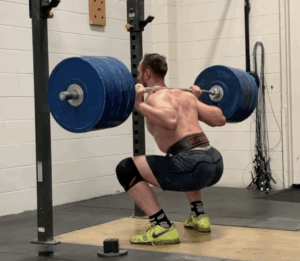
You don’t need a belt for every set. It is most effective for axially demanding exercises, those that challenge your trunk and back, like squats and deadlifts.
Our Recommendation: Save the belt for your “top sets”, your heaviest weight and highest level of effort. Many lifters prefer to do their warm-ups beltless to build core stability, then add the belt for sets exceeding 80-90% intensity.
How to Use a Belt Correctly (The “Balloon” Method)
Most people use belts poorly. They either pull them too tight or just “stand there” expecting the belt to do the work. A belt is designed to increase intra-abdominal pressure, providing a 360-degree “wall” for your core to push against.
The Proper Bracing Technique:
- Don’t just flex: Think of your torso like a balloon.
- Create circumferential pressure: You want to push your breath down and out against the belt in all directions: front, sides, and back.
- The “Looseness” Drill: Put your belt on one or two notches looser than usual. Practice breathing into your stomach until you feel your midsection expand to fill that gap. Once you feel that pressure, tighten the belt to your lifting notch and repeat.
Training Without the Belt: The 2019 Experiment
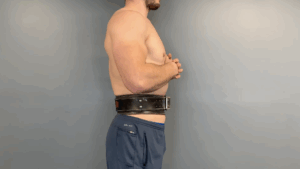
Even as professionals, we believe in variety. One of our lead coaches spent an entire year training without a belt to break a “reliance” on it.
The result? While there was some initial hesitation with heavy loads, the year spent “beltless” led to increased confidence and a more robust core. Today, he uses a hybrid approach: building a strong foundation beltless and adding the belt specifically for performance peaks.
Ready to Level Up Your Strength?
Whether you’re training for high-level athletics or sustainable, long-term health, having a plan is the key to progress.
- Looking for Elite Performance? Join Built for Athletics and train like a pro with programs designed for explosive power and speed.
- Want Longevity and Strength? Check out Sustainable Strength, our online subscription program focused on building a resilient body that lasts a lifetime.
Watch the Full Video
Want to see these bracing techniques in action? Check out the full breakdown on our YouTube channel here.