


In the world of strength training, few exercises are as controversial as the upright row. In some circles, it’s a staple for building massive delts and traps; in others, it’s labeled a “shoulder wrecker” that is guaranteed to cause injury.
So, should you actually stop doing it? At Citizen Athletics, we believe in looking at the evidence rather than following gym myths. We (with Ryan from The Barbell Doc) broke down the science of the upright row and whether it belongs in your program.
What is the Upright Row?
First things first, let’s clarify what the upright row is.
The upright row is a compound pulling exercise primarily used to target the muscles of the upper back, shoulders, and neck. Specifically, it focuses on the lateral deltoids and the traps.
In the fitness world, it is a popular choice for those looking to build “shoulder width” or a more athletic upper-body silhouette. For weightlifters and CrossFitters, the movement is also highly functional, as it closely mimics the “pull” phase of competitive lifts like the clean or the snatch. Because it involves multiple joints (the shoulder and the elbow), it allows you to move more weight than a simple isolation exercise like a lateral raise.
How to do the Upright Row?
While there is no “one right way” to perform this exercise, starting off with a baseline technique is best to get familiar with the movement. This can help you get an idea of how to do the movement and then you can adjust as you desire later on based on your anatomy, goals, and functional ability.
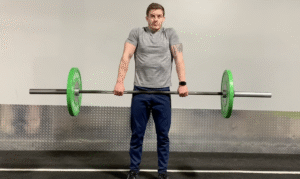
- The Starting Position: Stand tall with your feet shoulder-width apart. Hold a barbell or a pair of dumbbells in front of your thighs with an overhand grip (palms facing you). Your arms should be fully extended.
- The Pull: Keeping the weight close to your body, pull the implement vertically toward your chin by bending your elbows.
- Lead with the Elbows: Think about pulling your elbows toward the ceiling. Your elbows should always remain higher than your forearms throughout the movement.
- The Peak: Depending on your comfort level, you can stop when your upper arms are horizontal (parallel to the floor) or continue until the weight reaches your upper chest/chin area.
- The Descent: Lower the weight back to the starting position in a slow, controlled manner to maintain tension on the muscles.

The “Shoulder Wrecker” Argument
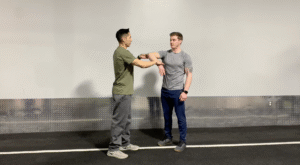
The most common argument against the upright row is that it causes shoulder impingement and rotator cuff tears. Critics often claim that the movement mimics a clinical test called the Hawkins-Kennedy test, which is used to identify shoulder impingement.
However, there is a major flaw in this logic. The Hawkins-Kennedy test is performed with the shoulder in 90 degrees of flexion and horizontal adduction. The upright row, by contrast, is performed in an abducted position. From a joint standpoint, these are two very different positions.
What Does the Research Say?
When we look at imaging studies (X-ray and MRI), the narrative of “dangerous” impingement becomes even less clear.
- Research has shown that the supraspinatus (a rotator cuff muscle) can begin to experience impingement at as little as 30 degrees of abduction or flexion.
- Interestingly, the peak of this impingement actually occurs at around 60 degrees and actually decreases as you move higher.
Given that many people have some level of rotator cuff tearing without ever experiencing symptoms, and that exercise is often as effective as surgery for impingement issues, the idea that the upright row is inherently dangerous doesn’t hold much weight.
Training to Perform Like an Athlete
Your training should be about building a resilient, capable body, not avoiding movements out of fear.
- Built for Athletics: If you want to build raw strength and power while ensuring your movement efficiency is top-tier, this program is for you. It uses science-based exercise selection to help you reach your peak performance.
- Sustainable Strength: For the busy lifter who wants to maintain an athletic physique and high performance without the guesswork. This is our flagship program designed to keep you moving and lifting for the long haul.
How to Modify the Upright Row
While the exercise isn’t “magical” or mandatory, it is perfectly safe for many people. If the upright row feels uncomfortable for you, try these three simple modifications before ditching it:
- Swap the Implement: If a barbell feels too restrictive, try dumbbells. The barbell offers more stability, while dumbbells allow for more variability and freedom in how your joints move.
- Adjust Your Grip Width: If using a barbell, try moving your hands wider or closer together. Small changes in grip can significantly change how the load sits on your shoulder.
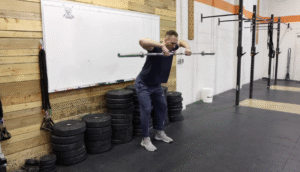
- Change Your Body Angle: Adding a slight forward lean makes the movement more similar to a “face pull,” which many lifters find much more comfortable.
When to Ditch It
If you’ve tried the modifications and it still doesn’t feel right, move on. There is no reason to force a movement that causes pain. You can get similar benefits for your delts with lateral raises or target your traps with dumbbell/ barbell shrugs.
Final Verdict
The upright row is not inherently dangerous. If it aligns with your goals and feels good on your joints, get after it. If it doesn’t, there are plenty of other ways to build a strong upper back.
Watch the Video Breakdown
Want to see the form demonstrations and dive deeper into the research? Check out the full video here.