

The pull-up is the ultimate test of upper-body relative strength. For many, achieving that very first repetition is a major fitness milestone. However, because it is so challenging, many people approach it with poor mechanics or skip the necessary progressions, leading to frustration or injury.
At Citizen Athletics, we focus on building high-performance athletes through efficient movement. Here is our science-backed roadmap to conquering the pull-up and perfecting your form.
Want to take your training up a notch?
Use promo code SAVE10 to get 10% any program right now. https://citizenathletics.com
Learn more about our training at the bottom.
Perfecting the Form: The Standard Pull-Up
A great pull-up starts with a solid foundation.
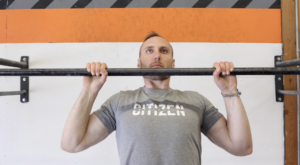
- Grip: Place your hands slightly wider than shoulder-width with a pronated (overhand) grip.
- The Active Hang: Before you pull, depress and retract your shoulder blades. Do not start from a “dead” hang with your shoulders touching your ears.
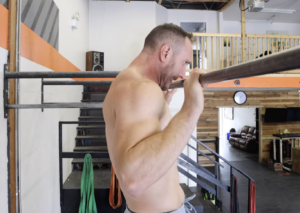
- The Pull: Drive your elbows down toward your hips. Aim to get your chin clearly over the bar without reaching with your neck.
- Core Tension: Keep your core engaged and your legs tight to prevent swinging or “kipping.” A rigid body is a more efficient pulling machine.
Common Errors to Avoid
- The “Neck Reach”: Reaching with your chin to clear the bar rather than pulling your chest up.
- Kipping: Using momentum from your legs to “bounce” up. While common in some circles, it won’t build the raw strength needed for a strict pull-up.
- Half-Reps: Not going all the way down. Full range of motion is critical for long-term muscle development.
Your Progression Roadmap
If you can’t do a strict pull-up yet, don’t worry. Follow these progressions to build the necessary strength:
- Inverted Rows: Start with your body at an angle under a bar or sturdy table, pulling your chest toward the surface. This builds the initial back and grip strength needed for vertical pulling.
- Low Hip Inverted Rows: By lowering the bar or moving your feet further forward, you increase the horizontal load, making the row more challenging and closer to your actual body weight.
- Leg-Assisted Pull-Ups: Transition to a vertical bar while keeping both feet on the ground or a box to assist with the upward drive. This allows you to practice the vertical pulling pattern with a reduced load.
- Single-Leg Assisted Pull-Ups: Increase the difficulty by using only one leg for assistance. This forces the upper body to take on a higher percentage of your total body weight.
- Eccentric Pull-Ups (Negatives): Jump or step to the top of the bar and focus solely on the lowering phase. Lower yourself as slowly as possible (aim for 5–10 seconds) to build massive amounts of pulling strength.
- Pause Eccentric Pull-Ups: Add a deliberate 2–3 second pause at the top, middle, or bottom of the lowering phase. These pauses eliminate momentum and build strength at your specific “sticking points”.
- The Strict Pull-Up: Once you can control the entire range of motion, you are ready for the full movement. Focus on a strong “active hang,” driving the elbows down, and pulling your chest to the bar.
Master Your Strength
The journey to your first pull-up is about consistency and smart programming. Our subscriptions are designed to take you from your current level to elite performance.
- Built for Athletics: Specifically designed to build the strength, power, and movement efficiency required for high-level athleticism and sport.
- Sustainable Strength: Our flagship program, perfect for busy people who want to perform like athletes and master fundamental movements like the pull-up.
Watch the Full Progression Guide
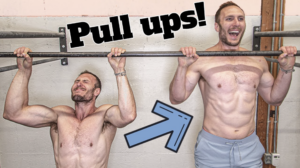
For a visual breakdown of these techniques and to see the drills in action, watch our full tutorial here.