

Have you ever tried to sprint for a bus or jump for a ball only to realize you’ve lost that “pop” in your step? It’s a common experience. Once we leave organized sports in high school or college, most of us transition into repetitive, linear activities like jogging or standard weightlifting.
While these are great for general health and aesthetics, they often come at the expense of true athleticism. Being athletic isn’t just about looking good; it’s about power, coordination, and the ability to move dynamically in space.
At Citizen Athletics, we specialize in keeping you “Built for Athletics.” Here are our top six recommendations to reclaim your athletic edge as you age.
Want to take your training up a notch?
Use promo code SAVE10 to get 10% any program right now. https://citizenathletics.com
Learn more about our training at the bottom.
1. Start Jumping Again
Power is one of the first physical attributes we lose as we age if we don’t train it. Jumping is the ultimate demonstration of power.
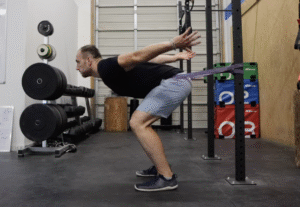
- Band Resisted Horizontal Jumps: If the impact of landing concerns you, use a band anchored behind your hips. This adds resistance to the jump while reducing the impact force on the landing.
- One-Leg to Two-Leg Squat Jumps: Most sports require jumping off one leg. By jumping off one but landing on both, you get the athletic benefit of single-leg power with a much safer, more stable landing.
2. Introduce Sprinting (Gradually)
Sprinting is the center of almost every sport. It requires massive amounts of power, coordination, and mobility. However, you shouldn’t just go out and sprint at 100% on day one.
- The Lead-Up: Spend a few weeks doing drills like butt kicks, high knees, and A-skips to prepare your tissues.
- The Push-Up Start: Try 10-yard sprints starting from your stomach. This “awkward” start naturally limits your top speed while forcing you to drive hard into the ground.
3. Focus on “Fast Feet”
In athletics, it’s not just about raw speed; it’s about how quickly you can reposition your feet to change direction.
- In-And-Out Drills: Spend 10–20 seconds moving your feet as fast as possible in a simple pattern. This builds high-speed muscle contractions and coordination that standard lifting often ignores.
4. Move in Different Planes
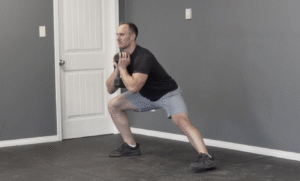
Most gym exercises (squats, lunges, presses) happen in the sagittal plane (moving up and down or forward and back). Athletes, however, must move side-to-side and rotate.
- The Fix: Incorporate lateral lunges or curtsy lunges into your routine. These movements build strength and stability in the frontal plane, protecting your joints and making you more versatile.
5. Lift for Speed
Strength is important, but for athletes, speed is the goal. If you already have a solid base of strength, start focusing on the velocity of your lifts.
- The Intent: When doing squats or bench presses, focus on moving the weight as fast as possible on the way up. This simple change in “intent” shifts the training stimulus toward power development.
6. Prioritize Unilateral Work
Athleticism rarely happens on two feet simultaneously. Whether you’re running, cutting, or throwing, you’re usually using your limbs independently.
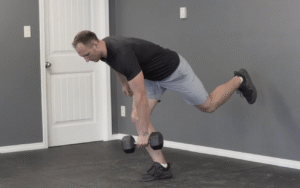
- Top Picks: Skater squats, single-leg deadlifts, single-arm rows, and single-arm presses. Unilateral work builds core stability and ensures you don’t have hidden weaknesses on one side of your body.
Reclaim Your Athleticism
You don’t have to stop being an athlete just because you’re getting older. You just need a program that respects the demands of high-performance movement.
- Built for Athletics: Our premier program designed to help you regain your power, speed, and movement efficiency.
- Sustainable Strength: Perfect for the busy individual who wants to perform like an athlete without spending all day in the gym.
Watch the Full Guide

Want to see these drills in action? Check out the full video breakdown here.