


Combining running and lifting in the same routine requires managing how these two disciplines impact one another. While splitting them up is ideal in most situations, pairing a low-intensity, technical weightlifting session with a low-intensity, technical running session allows you to train both in a single workout without pushing either discipline’s boundaries.
Want to take your training up a notch?
Use promo code SAVE10 to get 10% off any program right now. https://citizenathletics.com
Learn more about our training at the bottom.
Understanding the Interference Effect
In the vast majority of cases, you will achieve better outcomes from running and lifting by splitting them so they do not interfere with one another.
- Lifting heavy before running: Performing a really heavy lifting session first will likely limit your running performance afterward.
- Running before lifting heavy: Running first creates significant interference, preventing you from utilizing your legs to their full capacity and resulting in lower lifting numbers.
Because of this competition between demands, high-intensity running and heavy lifting should generally be separated so you can push each to the best of your abilities. However, keeping both modalities at a low intensity lets you combine them into one session without having them compete.
Part 1: Technical Weightlifting and Accessories
The lifting portion of this low-intensity hybrid workout takes just under 30 minutes and focuses on technical execution and speed rather than maximal loads.
Olympic Weightlifting Technique
- Hang Tall Power Snatch: Many lifters cut their pull short or transition slowly under the bar. Performing a few sets of this drill emphasizes achieving full extension in the lift and a speedy turnover.
- Snatch High Pull into a Hang Snatch: Building directly on the previous drill, the high pull reinforces finishing the extension. Starting from the hang reduces the time available to generate force, forcing you to get under the bar faster in a more complex, rapid movement.
- Press Jerk: Concludes the barbell technique work with the specific goal of developing speed under the bar.

Accessory Movements
Following the barbell work, complete two targeted accessory exercises:
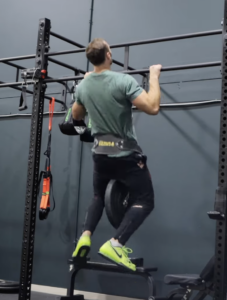
- Reverse Box Jumps: This variation combines a depth jump with a box jump. The goal is to develop rate of force development and high-speed contractions by minimizing ground contact time. Focusing on stiffness, landing and immediately rebounding off the ground onto the box, increases the plyometric demand and transfers directly to running mechanics.
- Pull-Ups: Performed between sets of jumps to build back width.
Part 2: Low-Intensity Technical Running
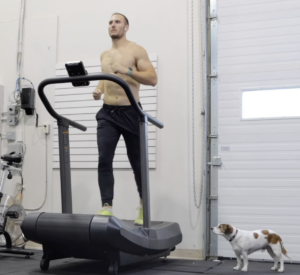
Once the lifting and accessories are complete, transition directly into 30 minutes of Zone 3 aerobic running.
- Intensity Targets: Maintain 70% to 80% of your max heart rate, which corresponds to roughly an RPE 7.
- Mechanics Focus: Use a curved treadmill (such as an AirRunner) if available. The curved deck naturally reinforces proper running stride and prevents overstriding.
How to Schedule Hard Runs and Heavy Lifts
While low-intensity technique days work well back-to-back, hard runs and heavy lifting sessions compete with each other and should be distributed strategically across your week:
- Prioritize your primary goal: If you must perform a heavy lifting session and a challenging run on the same day, put whichever discipline is most important to you first and schedule the other later.
- Allow adequate recovery between sessions: Separate same-day sessions by a minimum of three hours, with a longer duration between workouts being even better (for example, lifting in the morning before work and running in the evening).
- Adjust intensity if running first: If lifting is your top priority but you prefer not to lift early in the morning, you can run first thing in the morning, just keep that morning run even easier so residual fatigue does not compromise your lifting session later in the day.
Post-Workout Recovery
To prepare for subsequent training sessions (such as an early morning run the next day), prioritize post-workout supplementation like Recharge. The primary ingredient to focus on here is creatine. While creatine can be taken at any time of the day, taking it post-workout demonstrates the best absorption, alongside additional substrates that help enhance overall recovery.
Train Smarter with Citizen Athletics
Looking to structure your running and lifting without guesswork? Check out our evidence-based training programs at Citizen Athletics to start building strength and endurance effectively.
- Built for Athletics: Our premium training system engineered to optimize raw strength, power, and high-level movement efficiency.
- Sustainable Strength: The ultimate flagship framework designed for busy individuals looking to lift heavy, build muscle, and remain highly athletic for life.
Watch the Full Technical Breakdown

Prefer to see the exact movement demonstrations in action? Watch the full session breakdown here.