


When your program calls for “3 sets of 8,” do you have to keep the same weight across every set? If your first set feels significantly harder than expected, should you drop the weight for the next two? Does lowering the weight mean you’re losing out on potential gains?
At Citizen Athletics, we use a science-based approach to training. Today, we’re looking at the research behind load management and how to optimize your straight sets for maximum strength and muscle growth.
Want to take your training up a notch?
Use promo code SAVE10 to get 10% any program right now. https://citizenathletics.com
Learn more about our training at the bottom.
The Science of Load Reduction
A common fear in lifting is that dropping the weight between sets will decrease total volume and hinder muscle building. However, research suggests otherwise.
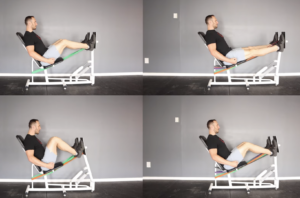
In a 2013 study by Medeiros Jr., researchers looked at total repetitions completed when using different load management strategies on the leg press. They found that maintaining a constant weight (a 10-rep max) across multiple sets led to a significant and progressive drop in the number of repetitions completed in subsequent sets.
In contrast, groups that reduced the load by 5%, 10%, or 15% after each set were able to maintain their target rep ranges and achieve a higher total volume of work.
Does it Affect Strength and Size?
While the first study focused on volume, a follow-up study by Lima in 2018 examined the actual impact on strength and muscle mass over 16 weeks of training.
The results were clear: All groups got stronger and built muscle. There was no significant difference in strength or size gains between the group that kept the weight constant and the groups that reduced the weight to maintain their rep targets.
Crucially, the groups that reduced the weight reported a lower Rate of Perceived Exertion (RPE). This means they achieved the same physiological results with a lower perception of effort and stress.
The Citizen Athletics Verdict
If you are performing straight sets, it is perfectly fine, and often beneficial, to drop the weight as your sets progress.
The goal is to maintain the target RPE and target rep range for your program. If you stay at a weight that is too heavy and your form breaks down or you fail to hit your reps, you aren’t actually training more effectively; you’re just increasing fatigue.
The Golden Rule: Don’t use this as an excuse to go light and avoid hard work. You still need to reach the high threshold of effort required for growth. If your program calls for an RPE of 8, adjust the weight so that you are consistently hitting that level of challenge, regardless of the number on the plates.
Take the Guesswork Out of Training
Our programs are designed using these exact scientific principles to ensure you are training as efficiently as possible.
- Built for Athletics: Master the science of strength and power with our premier performance program.
- Sustainable Strength: The flagship program for those who want elite results through smart, science-backed training habits.
Watch the Full Breakdown
For a deeper dive into the research and practical application of straight sets, watch the full video here.